
W is for Wind Phone
Week W | Monday | Love is in the air

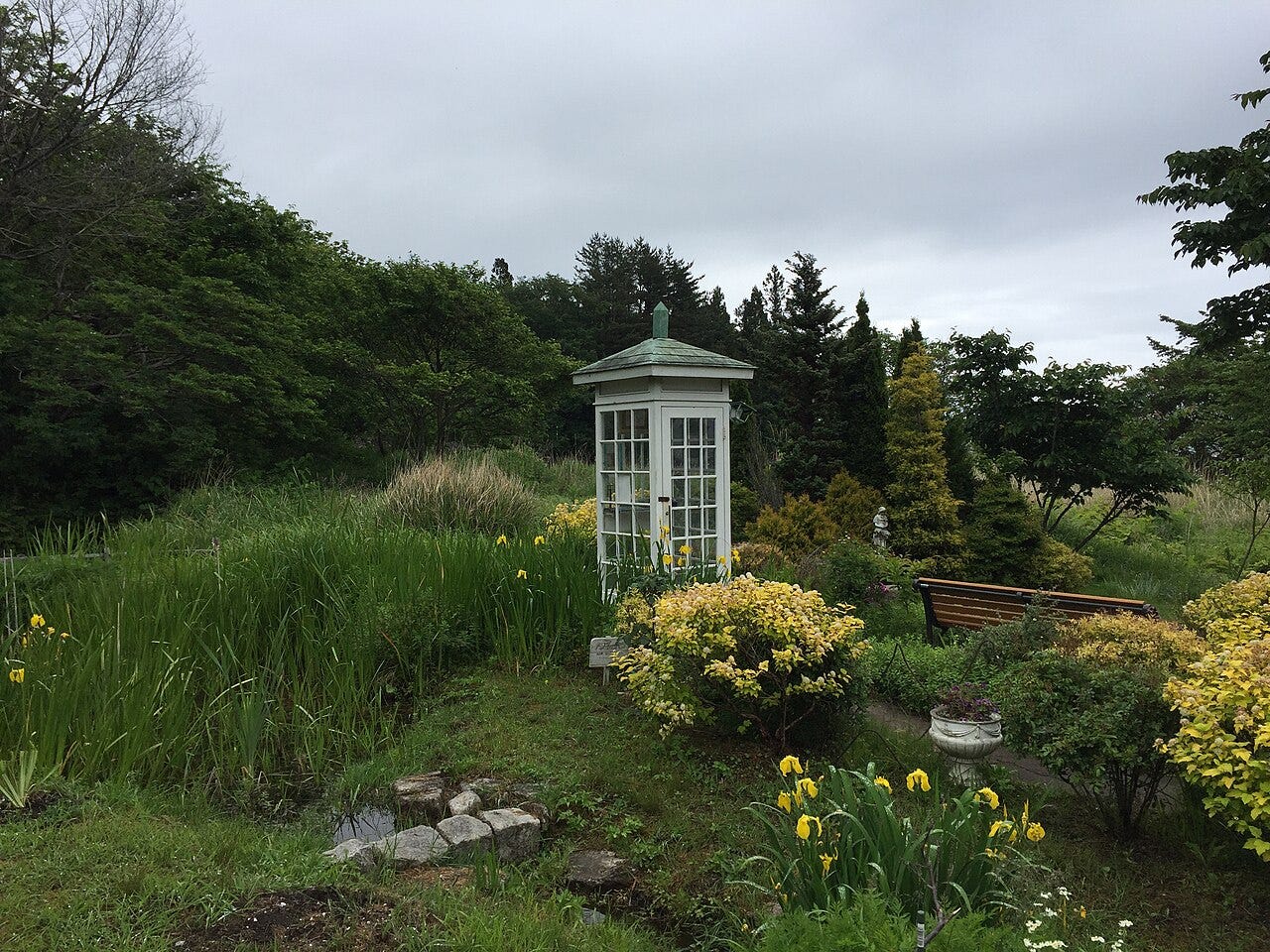
It’s said that grief is love with nowhere to go. ‘Wind phones’ provide such places, and communication mechanisms, which is perhaps why they’ve spread so swiftly across the world, and become part of therapeutic advice in some places.
The horrific 2011 earthquake and tsunami in Japan killed over 15,000 people in its Tōhoku region alone. Itaru Sasaki, a garden designer, had created the first known wind phone there in 2010 as a way to cope with the death of his cousin. He opened it to the public after the disaster and it’s had many thousands of visitors since.
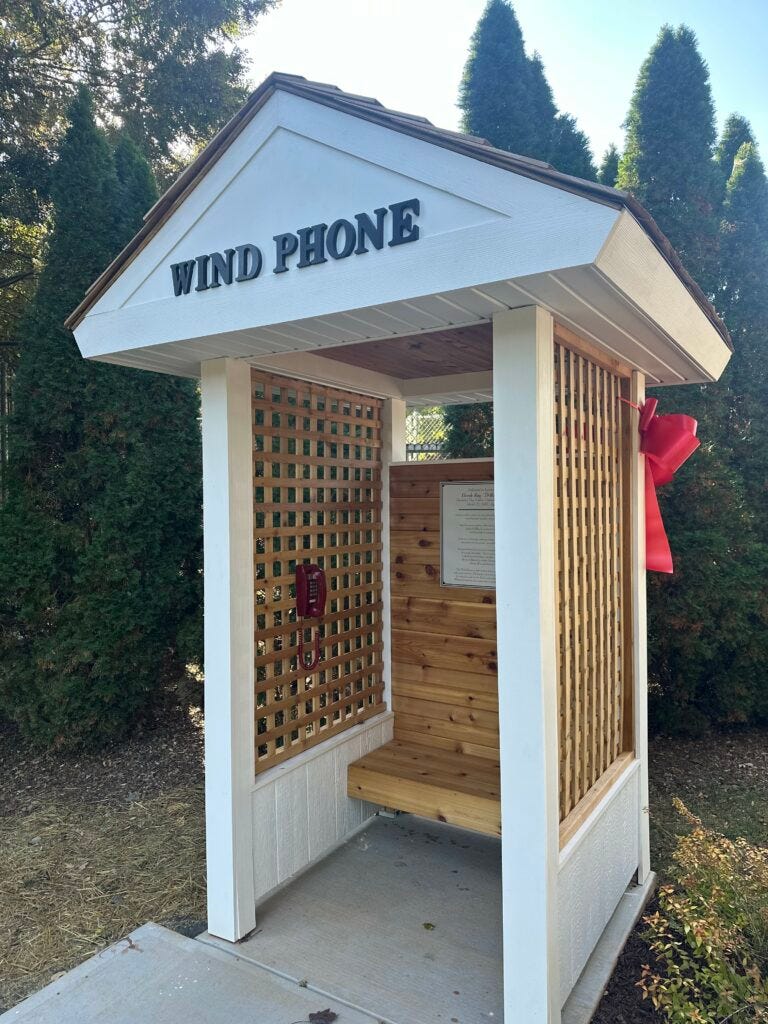
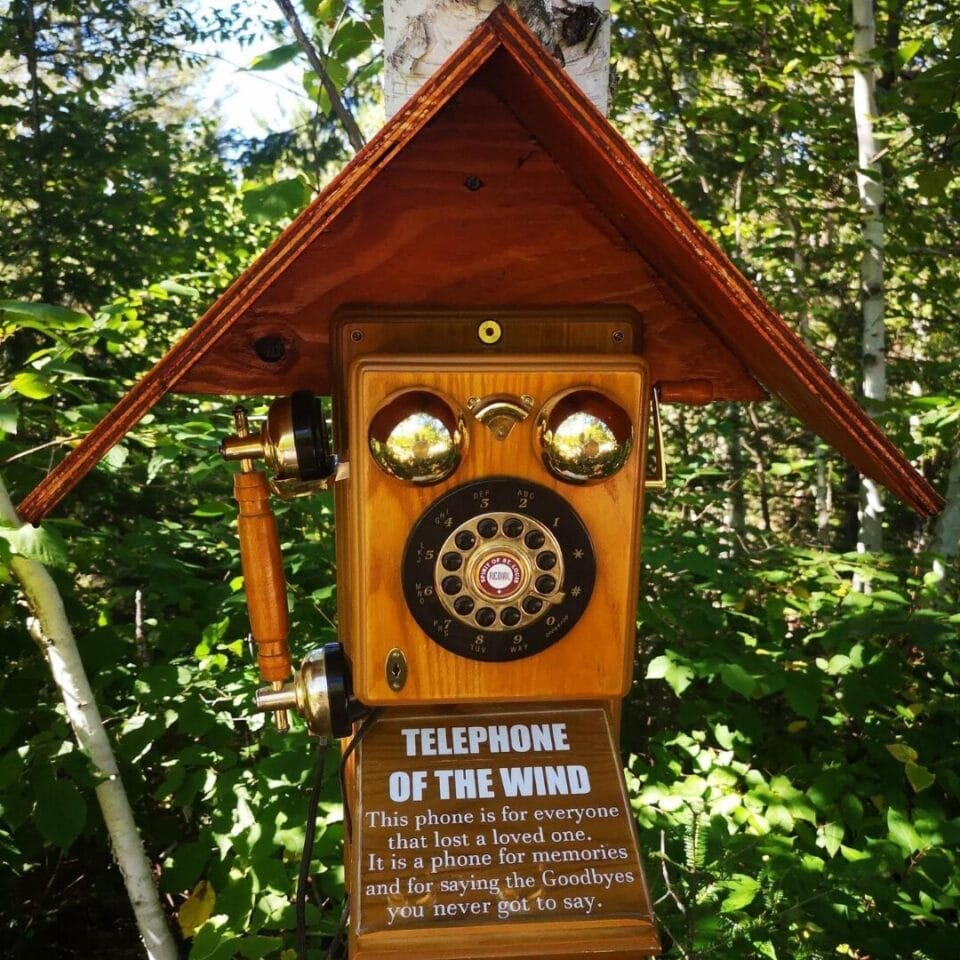
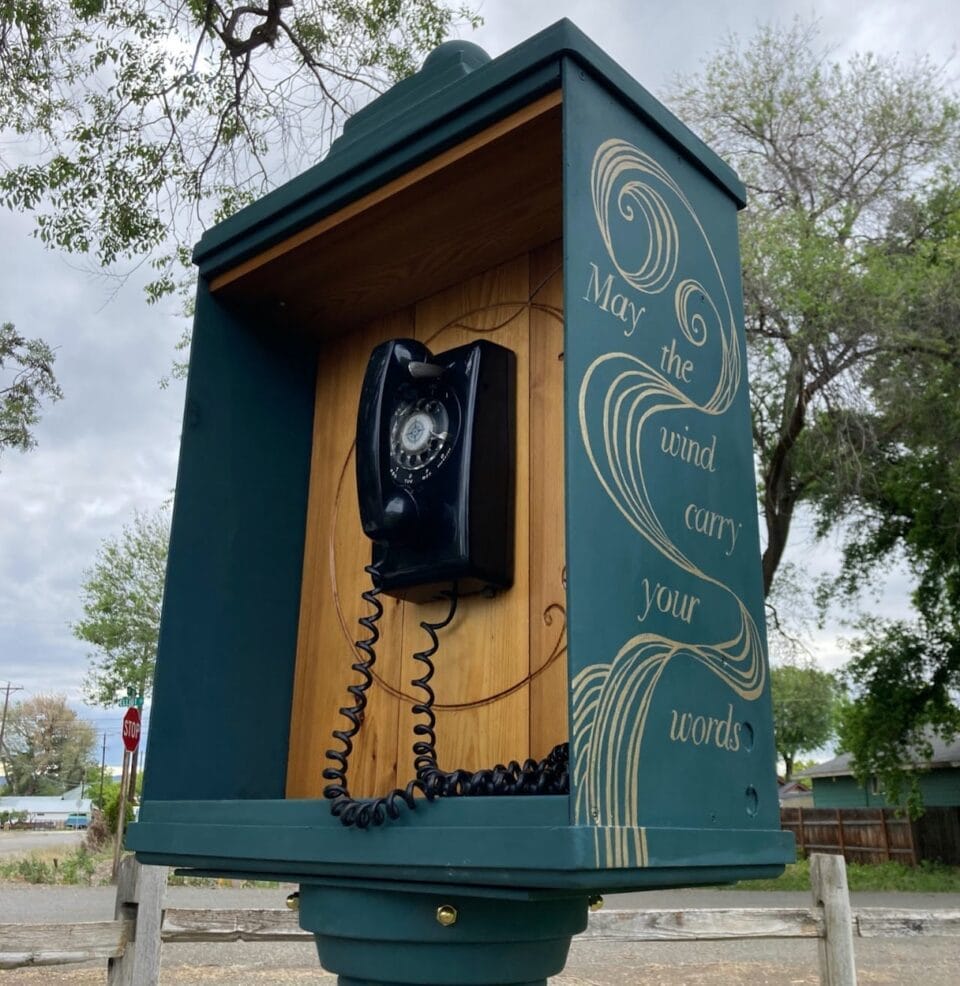
So what exactly is a wind phone? It’s simply a telephone – of any shape, nature, or setting – that’s unconnected to an actual physical or wireless line. It’s a way to speak to those we’ve lost; usually loved ones who’ve died, though I’ve read of people using wind phones to talk about broken friendships, ‘the one who got away’, and others still living but in some way out of reach. There are no rules in such a context, of course.
“Losing dear friends is the inevitable experience of living ... oscillating between raw grief that they are gone and you will never see or hear them again; and gratitude for the mere fact that you knew them, they were in your life. Like a little boat in a turbulent sea, hither and yon.”
✨ Joyce Carol Oates
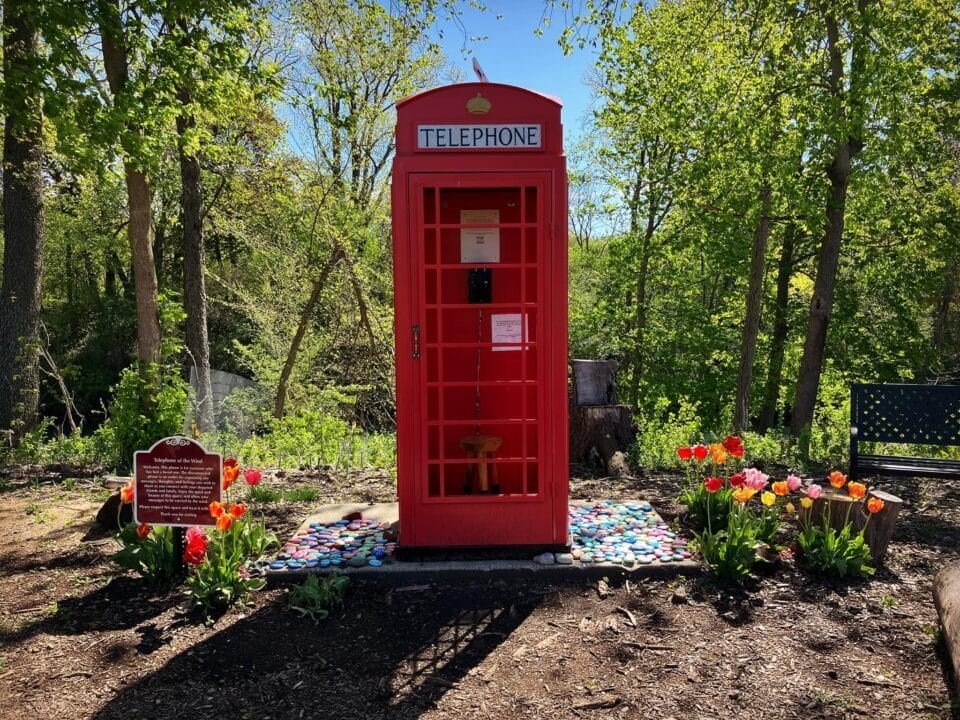
Amy Dawson, who lost her daughter in 2020 then studied to become a grief coach, has started a directory called My Wind Phone. Perhaps you can find one near you.
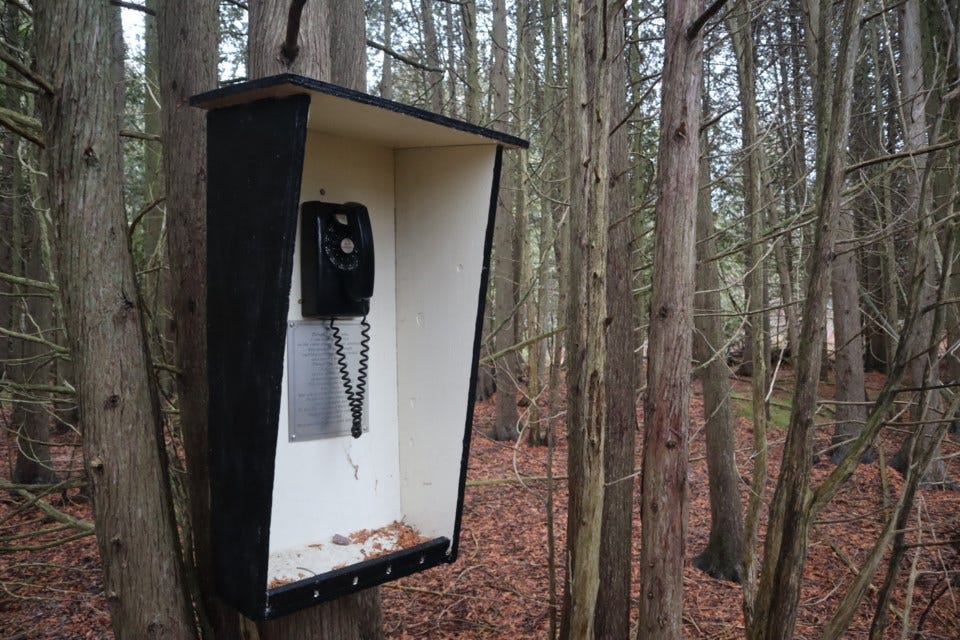
Ōtsuchi, a small fishing village, lost about 10% of its population in the 2011 disaster. About a third of those lost there have never been found, or identified. A kaze no denwa, the ‘phone of the wind’, offers all kinds of symbolism as well as a practical tool – symbolism is itself healing, which is part of the appeal. A number of films have been made and books written about the concept.
I already feel I can talk to those I’ve lost whenever I need to. Sometimes I’ll see, read, hear, or feel something that triggers a memory of them. There’s a connection – or reconnection – that happens then, which runs far deeper than words. While I respect the ceremonial aspect of the wind phone, I wouldn’t expressly go looking for one. But if I stumbled across a wind phone, I think I’d most certainly use it, with reverence.


“Life is only, at most, 100 years. But death is something that goes on much longer, both for the person who has died and also for the survivors, who must find a way to feel connected to the dead. Death does not end the life. All the people who are left afterward are still figuring out what to do about it. They need a way to feel connected.”
🌱 Itaru Sasaki in The Believer
A beautiful piece by Tessa Fontaine
What a beautiful idea! I would talk to pets, too.
That’s a beautiful idea. They’re just a thoughtful attentiveness away at all times. In the heart space. I remember going to Sri Lanka a year after the tsunami and survivors were just wandering about in a zombie state. The shock was still within them. Horrific